

Affiliate marketing is now a $22.5 billion global industry in 2026 and growing at 10% year over year.
Over 81% of brands use affiliate programs as a core part of their digital marketing strategy. These numbers prove that performance based marketing is no longer optional for serious businesses.
We have gathered the latest Affiliate Marketing Statistics that reveal exactly where the money flows in 2026.
From commission rates to conversion benchmarks and niche profitability, these 100+ data points will help you build smarter campaigns and earn higher payouts this year.
Global Market Valuation & Growth Forecasts
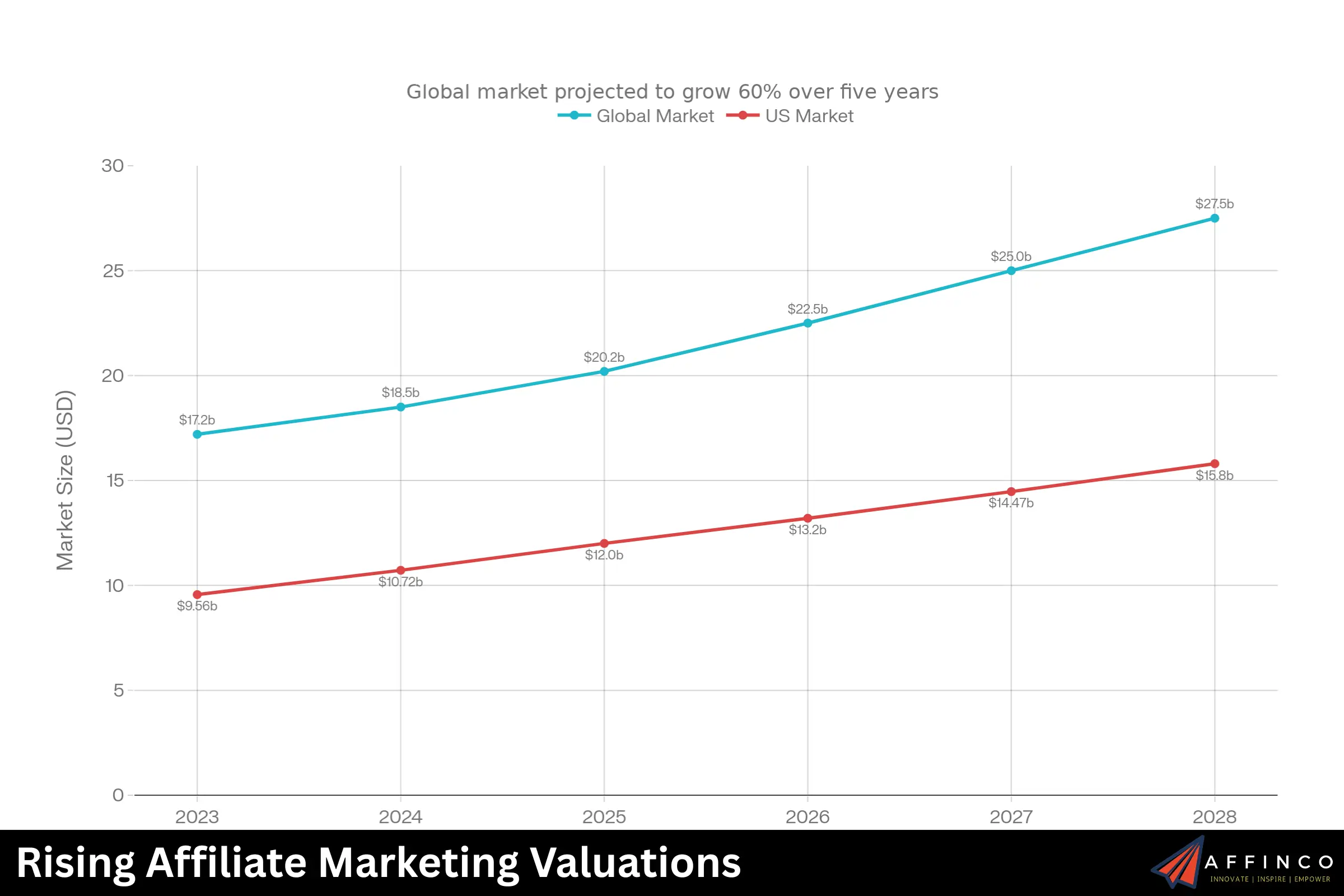
Fueled by expanding ecommerce and rising digital content consumption, the global affiliate marketing industry is posting double-digit growth rates.
| Year | Global Market Size (USD Billion) | US Market Size (USD Billion) | Annual Growth Rate (%) |
|---|---|---|---|
| 2023 | 17.2 | 9.56 | 9.2 |
| 2024 | 18.5 | 10.72 | 10.1 |
| 2025 | 20.2 | 12.0 | 11.9 |
| 2026 | 22.5 | 13.2 | 10.1 |
| 2027 | 25.0 | 14.47 | 9.6 |
| 2028 | 27.5 | 15.8 | 9.2 |
The US market remains the dominant force, contributing over 58% of global affiliate revenue.
Earnings & Income: How Much Do Affiliates Actually Make?
Income potential in affiliate marketing varies wildly based on niche selection, traffic quality, and monetization strategies.
While top-tier “super affiliates” earn seven figures, the majority of active marketers fall into the mid-tier income bracket.
Understanding income distribution helps realistic goal setting for new market entrants.
Mobile-First Affiliate Trends & Consumer Behavior
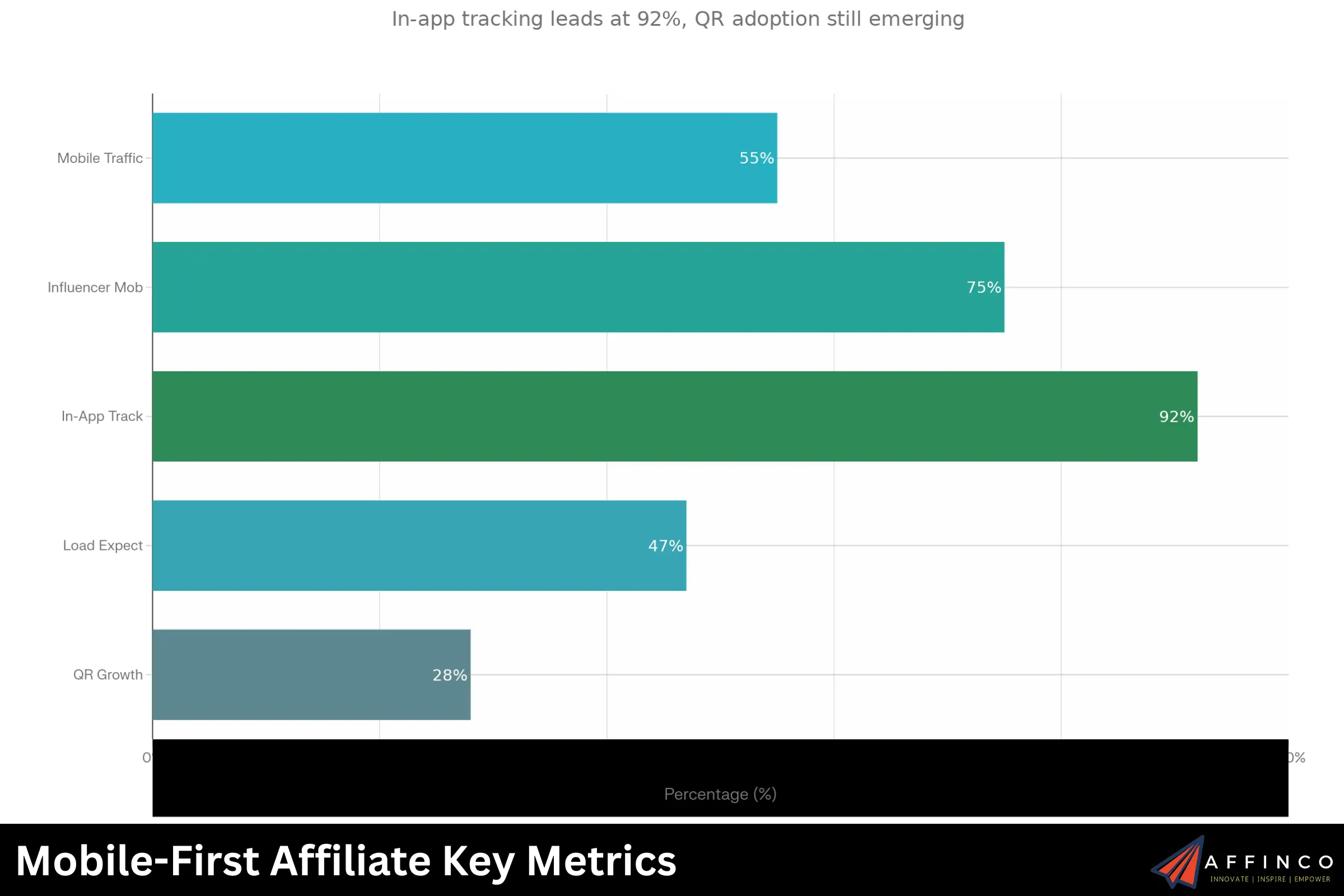
The dominance of mobile devices has fundamentally altered how consumers interact with affiliate links. In 2026, a “mobile-first” strategy is no longer optional but essential for conversion optimization.
Marketers ignoring mobile optimization are effectively forfeiting half of their potential revenue.
Social Media & Influencer Affiliate Benchmarks
Social commerce is merging with affiliate marketing, creating a hybrid model where creators drive direct sales. Platforms like TikTok have become critical for reaching Gen Z and Millennial audiences.
The shift toward video-based social platforms is redefining how affiliate products are discovered and purchased.
Average Conversion Rates by Industry (2026)
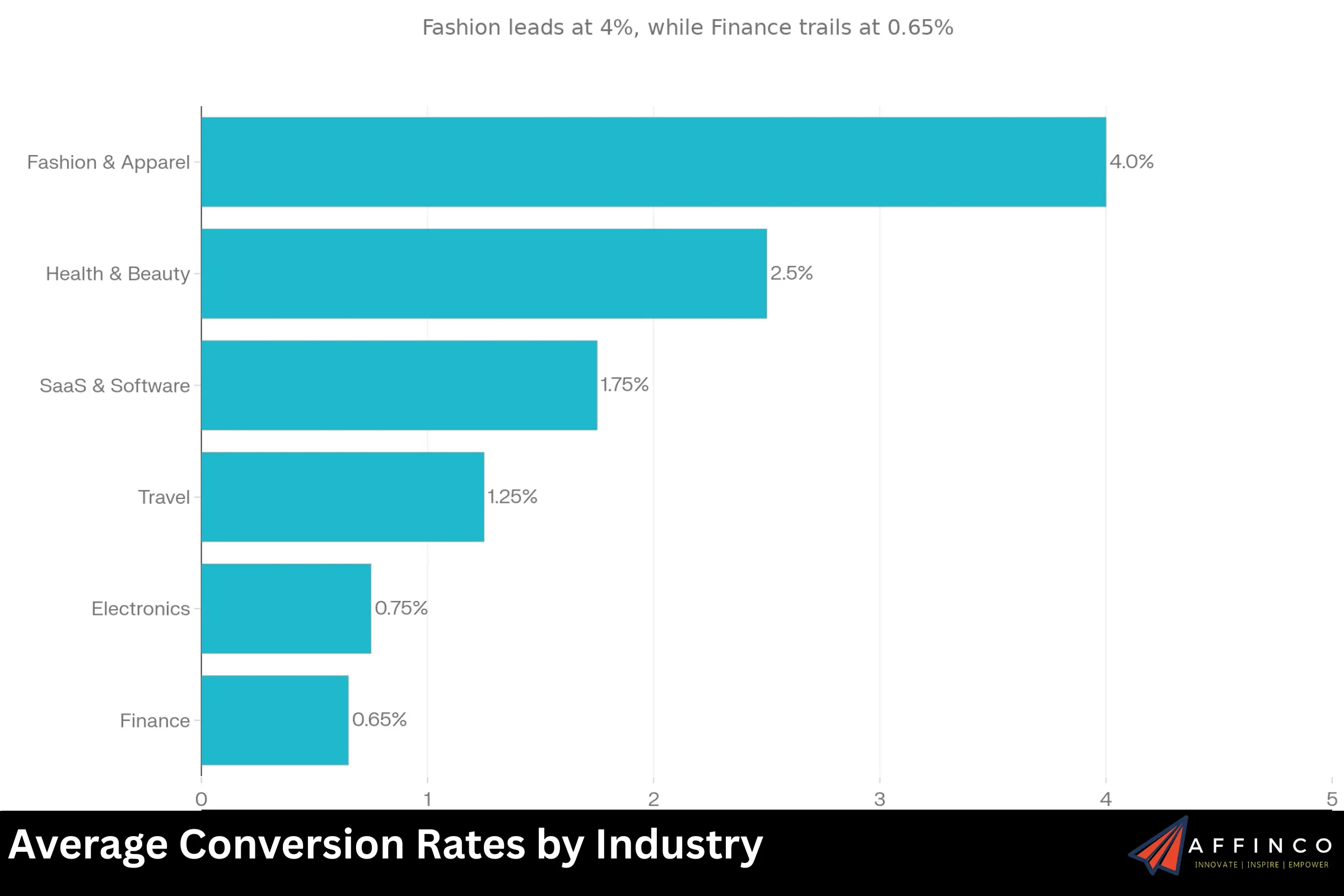
Conversion Rate Optimization (CRO) benchmarks vary significantly across different sectors. Knowing these baselines helps marketers gauge the performance of their campaigns against industry standards.
Higher conversion rates are typically found in lower-priced, impulse-buy categories.
| Niche Category | Average Conversion Rate | Average Commission |
|---|---|---|
| Fashion & Apparel | 3.5% – 4.5% | 5% – 15% |
| Health & Beauty | 2.0% – 3.0% | 15% – 30% |
| SaaS & Software | 1.5% – 2.0% | 20% – 40% (Recurring) |
| Electronics | 0.5% – 1.0% | 1% – 5% |
| Finance | 0.5% – 0.8% | $50 – $200 CPA |
| Travel | 1.0% – 1.5% | 3% – 8% |
While Fashion converts easily, SaaS and Finance offer better long-term revenue potential.
Payment Models & Commission Structures
Commission diversity allows affiliates to select programs aligned with traffic quality, audience size, and conversion capabilities.
| Payment Model | Average Rate | Best For | Industry Prevalence |
|---|---|---|---|
| Pay-per-sale | 5-30% | Product reviews, comparison sites | 65% |
| Pay-per-lead | $1-$50 | Finance, insurance, B2B | 20% |
| Pay-per-click | $0.05-$5 | High-traffic news sites | 10% |
| Recurring commission | 10-40% monthly | SaaS, subscriptions | 5% |
Recurring commission programs generate 4x higher lifetime value compared to one-time payment structures.
Top Profitable Niches for Affiliates in 2026
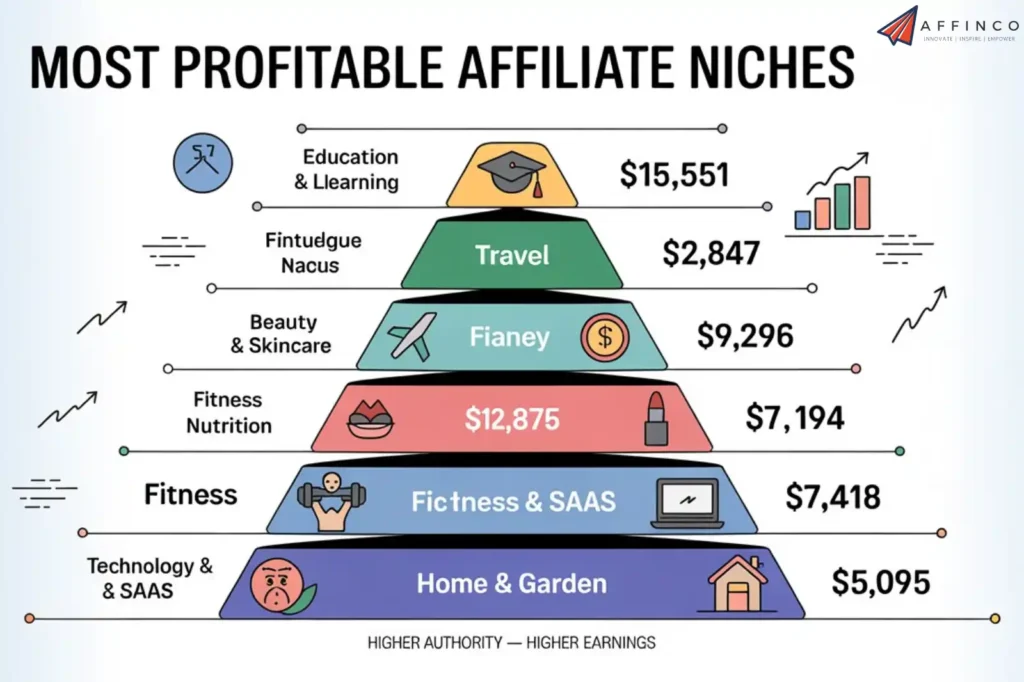
Selecting the right niche is the single most important decision for an affiliate marketer. In 2026, educational and B2B sectors are outperforming traditional consumer goods in terms of revenue per click.
Niche profitability is increasingly correlated with the ability to build a personal brand and authority.
AI & Technology Adoption in Affiliate Marketing
Artificial Intelligence is automating tedious tasks, allowing affiliates to scale content production and data analysis. The adoption of AI tools is differentiating high-growth affiliates from stagnant ones.
Technology adoption is no longer a luxury but a baseline requirement for competitive affiliate operations.
Fraud, Security, & Compliance Statistics
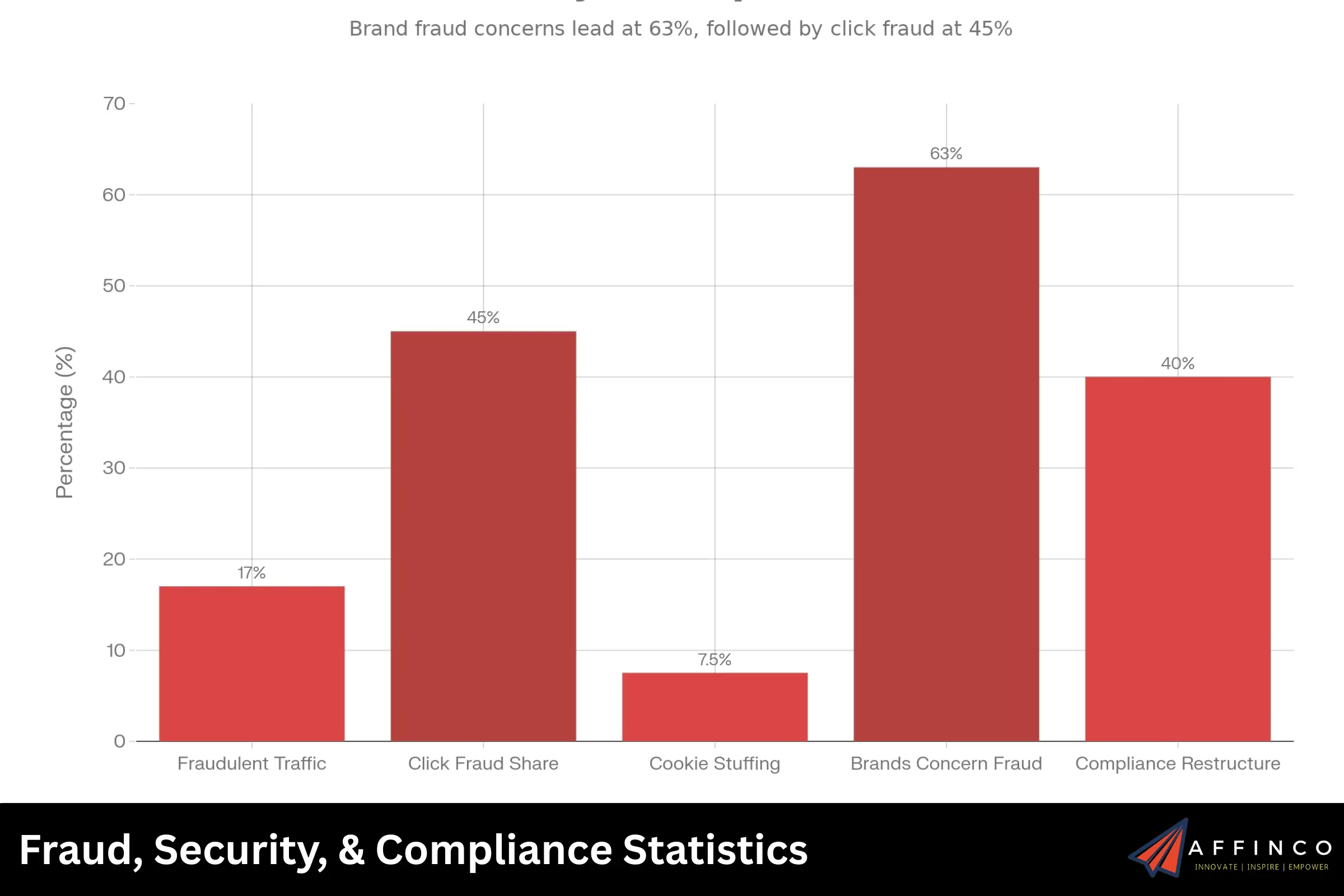
As payouts increase, so does the sophistication of bad actors attempting to game the system. Affiliate fraud remains a multi-billion dollar issue that drains marketing budgets and skews performance data.
- Affiliate fraud costs the industry an estimated $3.4 billion annually in lost revenue.
- 17% of all affiliate traffic in 2026 is estimated to be fraudulent or non-human.
- Click fraud (bot traffic) accounts for 45% of all detected affiliate fraud cases.
- Cookie stuffing remains a prevalent issue, affecting 5-10% of transactions on major networks.
- 63% of brands cite fraud detection as their top concern when managing affiliate programs.
- GDPR and CCPA compliance has forced 40% of programs to restructure their tracking methods.
Brands are increasingly adopting AI-driven fraud detection tools to identify and block suspicious patterns in real-time before payouts are released.
B2B vs. B2C Affiliate Performance
B2B affiliate marketing is maturing, with companies recognizing the power of referral partnerships. The metrics for B2B differ significantly from consumer-facing programs due to longer sales cycles.
B2B affiliate marketing requires patience and authority but offers significantly higher payouts per conversion.
Platform Dominance: Amazon vs. The Rest
While Amazon Associates is the most famous program, diverse affiliate networks are gaining ground by offering better terms, cookies, and support for niche marketers.
Diversifying across multiple networks protects affiliates from policy changes and commission cuts.
Email & SEO: The “Owned” Traffic Advantage
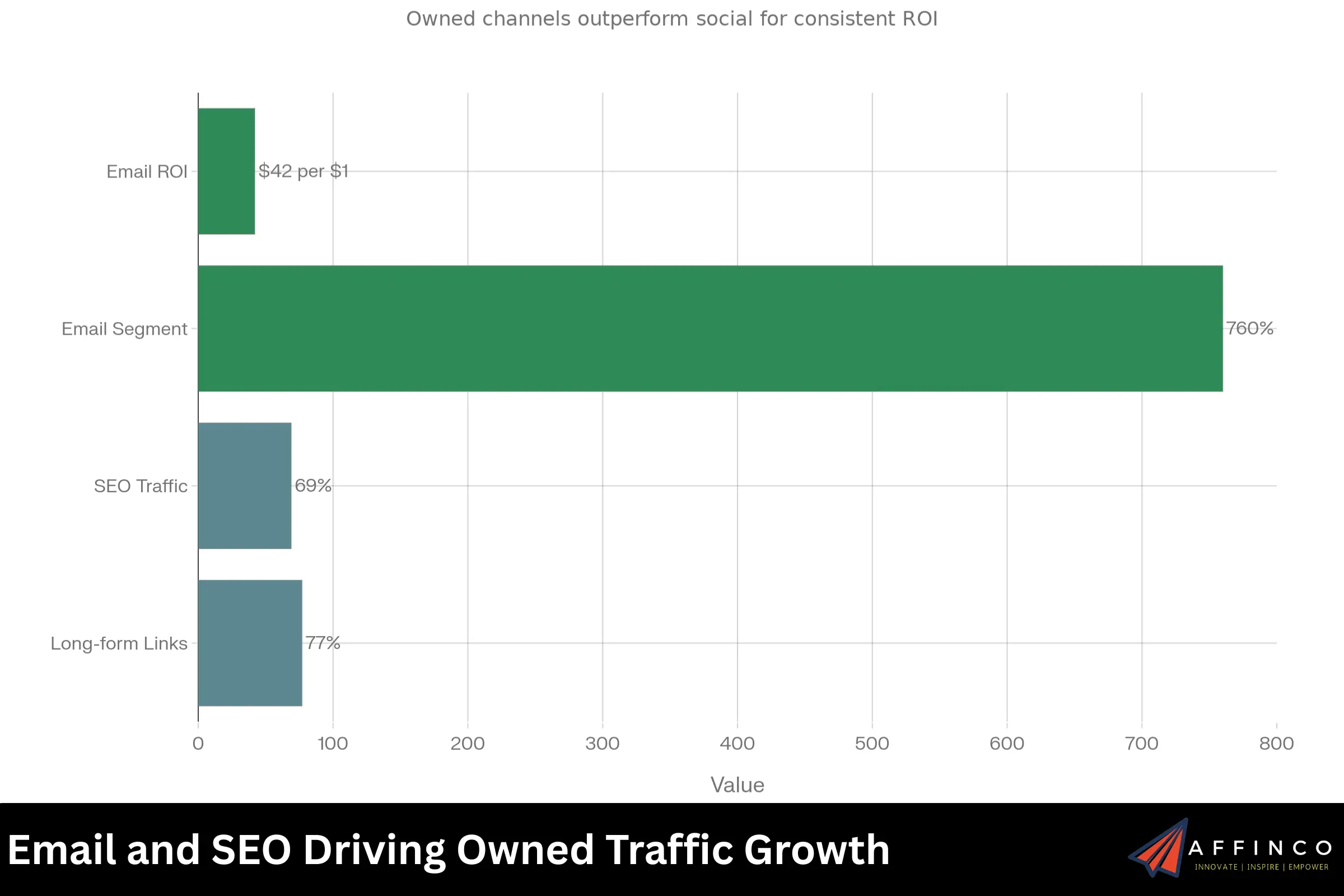
Despite the social media boom, “owned” channels like email and SEO continue to deliver the most consistent and highest ROI for affiliate marketers.
Building an email list remains the single best insurance policy against algorithm updates.
Conclusion
Affiliate marketing continues to dominate online revenue channels in 2026. With mobile traffic hitting 55% and email ROI returning $42 for every $1 spent, opportunities are massive.
SaaS affiliate programs now offer 20% to 40% recurring commissions. Meanwhile, TikTok affiliate links deliver 160% higher engagement than Instagram.
Key Takeaways for 2026:
By aligning your strategy with these 2026 statistics and trends, you position yourself to capture a slice of this multi-billion dollar industry.


Ali
Ali is a digital marketing expert with 7+ years of experience in SEO-optimized blogging. Skilled in reviewing SaaS tools, social media marketing, and email campaigns, we craft content that ranks well and engages audiences. Known for providing genuine information, Ali is a reliable source for businesses seeking to boost their online presence effectively.