
While AppMySite offers a path to convert a website into an app, many users encounter limitations. The result can feel like a simple website wrapper, and essential features like iOS publishing often come with hidden costs.
For businesses needing true native performance, deeper integrations, or full publishing support, a better solution is often required.
We've analyzed the top AppMySite alternatives, comparing them on functionality, transparent pricing, and user experience to help you select the right tool.
Why Look Beyond AppMySite? Key Limitations for Growing Businesses
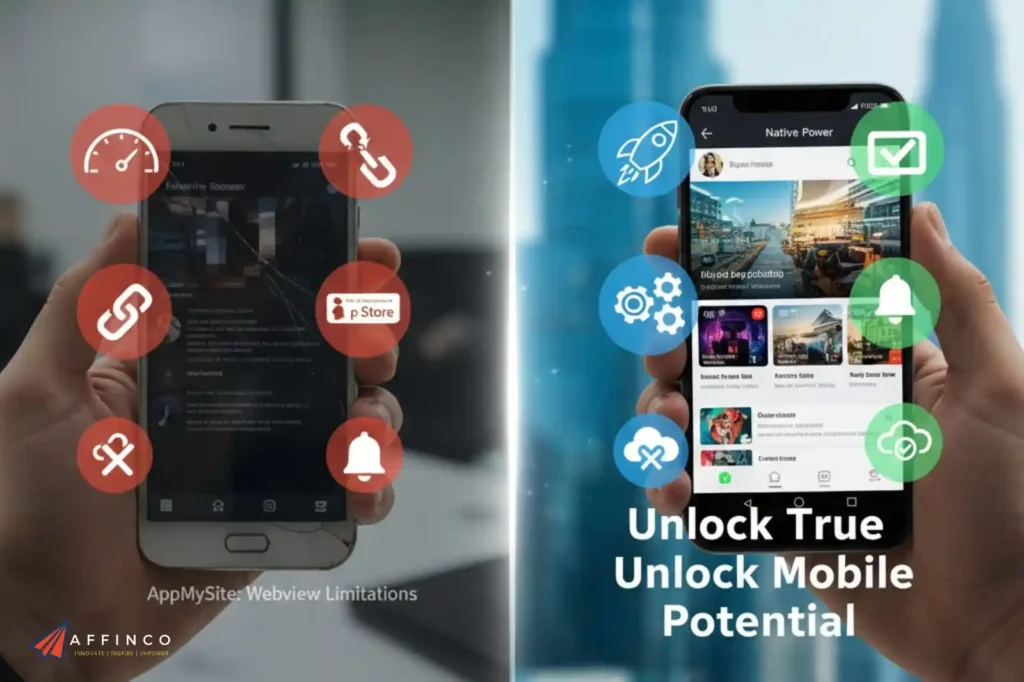
While AppMySite offers a simple start, growing businesses often face critical limitations requiring them to explore alternatives. The platform's webview technology, which packages your mobile site into an app, is the main source of these issues.
Key limitations include:
Top 7 AppMySite Alternatives for No-Code Mobile App Development
| AppMySite Alternatives 🛠️ | Primary Focus 🎯 | Core Strength 💪 |
|---|---|---|
| Appy Pie | AI App Generation | Rapid, text-based creation. |
| BuildFire | Extensible Native Apps | Large plugin marketplace. |
| Glide | Data-Driven Apps | Connects to spreadsheets. |
| Bubble | Full-Stack Web Apps | Total design freedom. |
| Jotform Apps | Form-Based Apps | Simple data collection. |
| Andromo | Monetized Content Apps | Strong ad network integrations. |
| FlutterFlow | High-Fidelity Apps | Exports production-ready code. |
1. Appy Pie
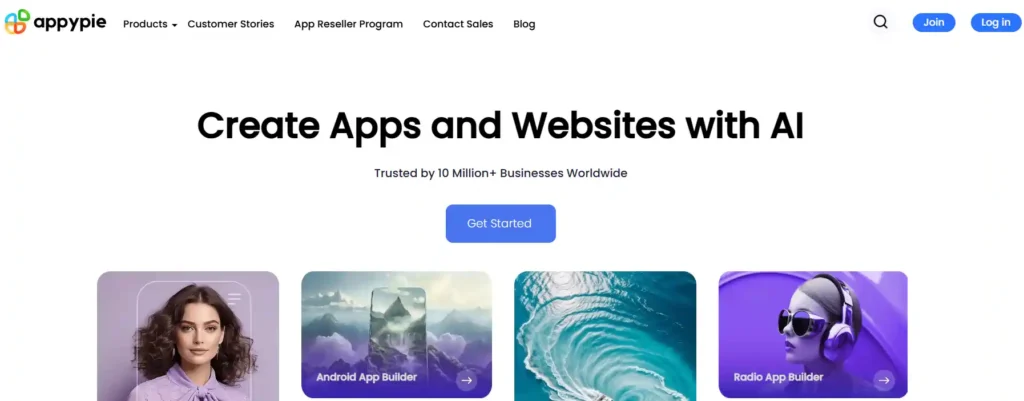
Appy Pie stands out as a powerful alternative for businesses seeking rapid app deployment with AI-driven automation. The platform combines a no-code interface with advanced customization through its Snappy 3.0 IDE, allowing users to build both Android and iOS apps without technical expertise.
Trusted by over 10 million businesses globally, Appy Pie offers features like website-to-app conversion, IoT integration, and live streaming capabilities. Its AI app generator enables users to create functional apps from simple text prompts, dramatically reducing development time for startups and enterprises alike.
Appy Pie Key Features
Example Use Cases:
Best For: Entrepreneurs and SMBs needing fast AI-assisted app launches.
2. BuildFire
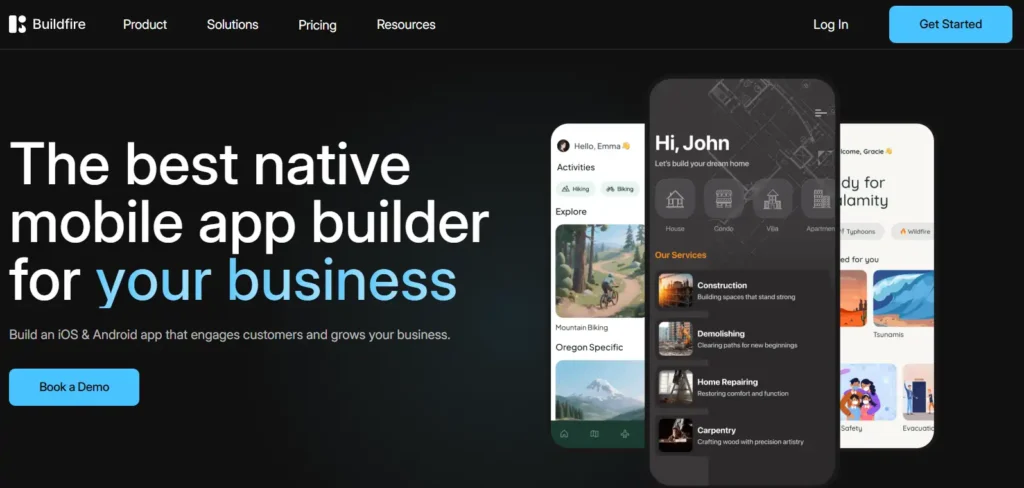
As an AppMySite alternative, BuildFire offers a native-first approach that helps businesses ship polished iOS and Android apps without code. Its modular system adapts to complex workflows and branded experiences.
Compared to basic webview tools, BuildFire adds a deep plugin marketplace, custom SDK options, and guided store submission, enabling richer features, stronger engagement, and faster iteration for growing teams.
BuildFire Key features
Example use cases:
Best For: Teams needing native UX, plugins, and guided publishing beyond webviews.
3. Glide
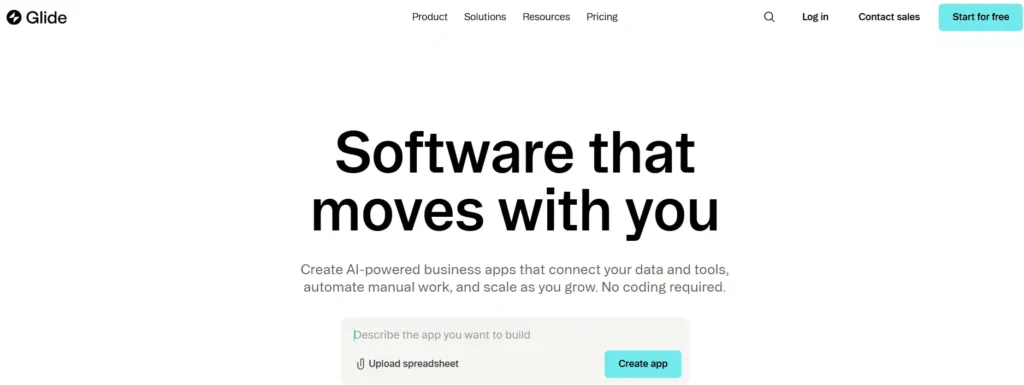
Glide excels as a substitute for AppMySite by transforming business data from sources like Google Sheets or SQL into powerful, custom applications without coding. It is specifically designed for creating internal tools and operational software.
Instead of just wrapping a website, Glide allows you to build sophisticated, data-driven workflows and AI-powered features. This makes it ideal for businesses that need to automate processes, manage inventory, or create internal portals for their teams, moving far beyond simple content display.
Glide Key Features
Example Use Cases:
Best For: Businesses needing to create custom internal tools and data-centric applications quickly.
4. Bubble
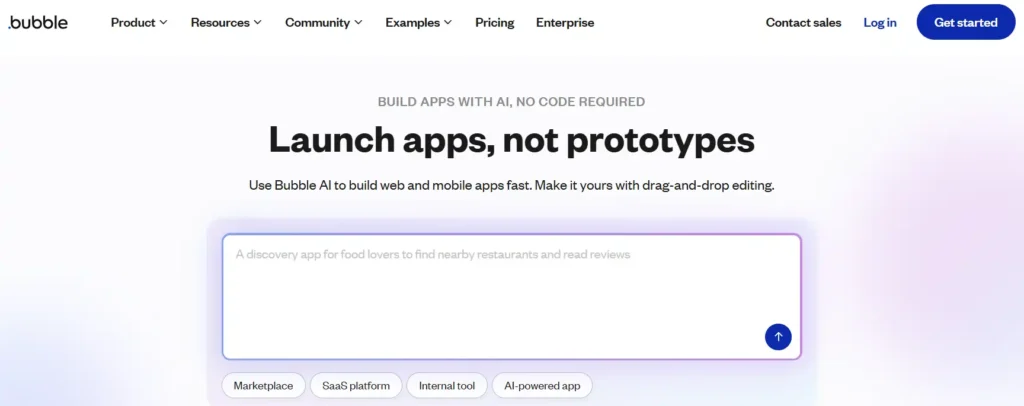
Bubble positions itself as a powerful option for founders and businesses needing complete control over complex web applications beyond simple mobile wrappers. Unlike AppMySite's website-to-app approach, Bubble provides a full-stack visual development platform.
With over 5 million builders and native AI integration, Bubble enables creation of sophisticated SaaS platforms, marketplaces, and internal tools that scale. The platform handles design, database, and business logic in one place, eliminating the need for multiple tools or technical co-founders.
Bubble Key Features
Example Use Cases:
Best For: Founders building complex, scalable web applications without hiring developers.
5. Jotform Apps
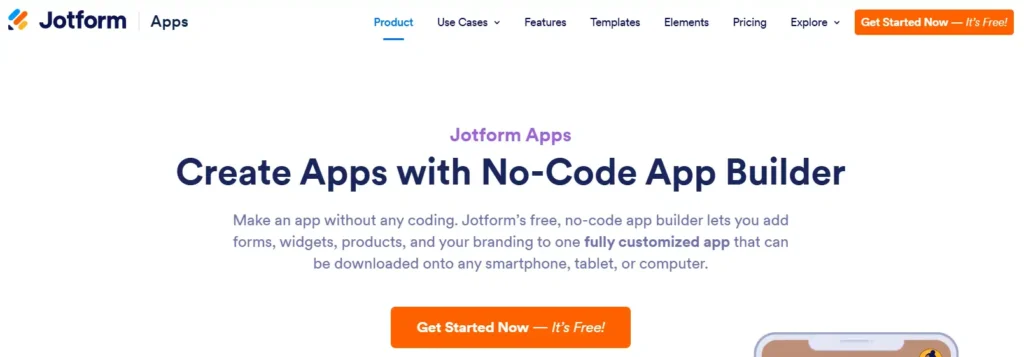
Jotform Apps transforms form-based workflows into downloadable mobile applications with zero coding required. Built on the foundation of Jotform's trusted form builder, it bundles multiple forms, payment gateways, and widgets into branded apps for smartphones, tablets, and desktops.
Unlike AppMySite's website-wrapper methodology, Jotform Apps centers on operational efficiency. Businesses use it to consolidate customer intake, appointments, orders, and internal portals into one accessible interface. With 800+ templates and 40+ payment integrations, it delivers fast deployment for SMBs, nonprofits, and service providers prioritizing data capture over complex logic.
Jotform Apps Key Features
Example Use Cases:
Best For: Organizations prioritizing form bundling, data collection, and payment processing simplicity.
6. Andromo
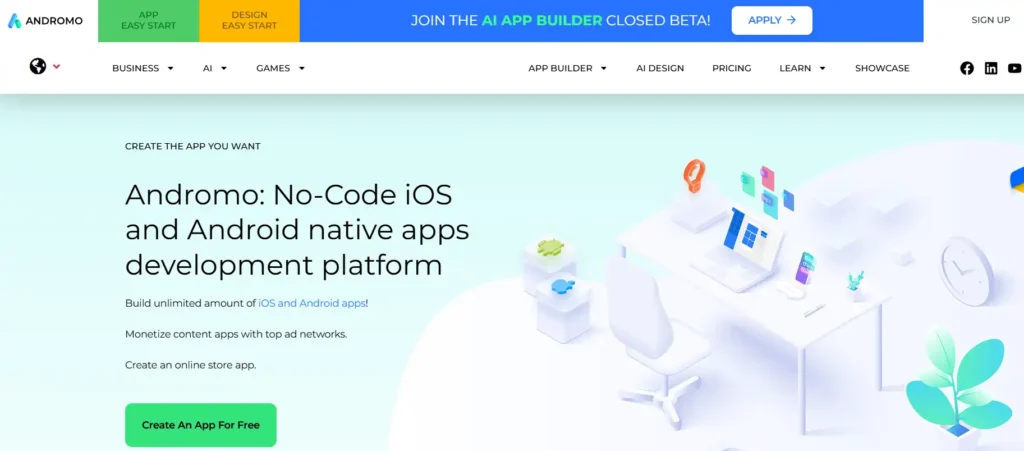
Andromo provides a fast, template-driven experience for creators to build and monetize content-focused mobile apps. It’s an effective AppMySite alternative for users whose primary goal is to generate revenue from their applications through advertising.
Powered by Google's Flutter, Andromo exports native apps for both iOS and Android. The platform is designed for speed, offering numerous pre-built templates for niches like wallpapers, ringtones, recipes, and educational content. Its main strength lies in its integrated monetization tools, including ad networks like AdMob, Unity Ads, and AppLovin.
Andromo Key Features
Example Use Cases:
Best For: Content creators and entrepreneurs focused on monetizing apps through advertising networks.
7. FlutterFlow
FlutterFlow serves as an advanced alternative for teams wanting to build high-quality native apps with visual tools without sacrificing control. It is a low-code platform built on Google's Flutter, offering a path from rapid prototyping to a fully scalable application.
Unlike AppMySite, which is a no-code website converter, FlutterFlow provides a powerful visual editor for UI and logic, integrations with backend services like Firebase, and the ability to export clean, production-ready code. This eliminates vendor lock-in and makes it a choice for serious startups and developers.
FlutterFlow Key Features
Example Use Cases:
Best For: Developers and startups needing custom apps with scalable Flutter source code.
AppMySite Alternatives: Native Functionality vs. WebView Performance
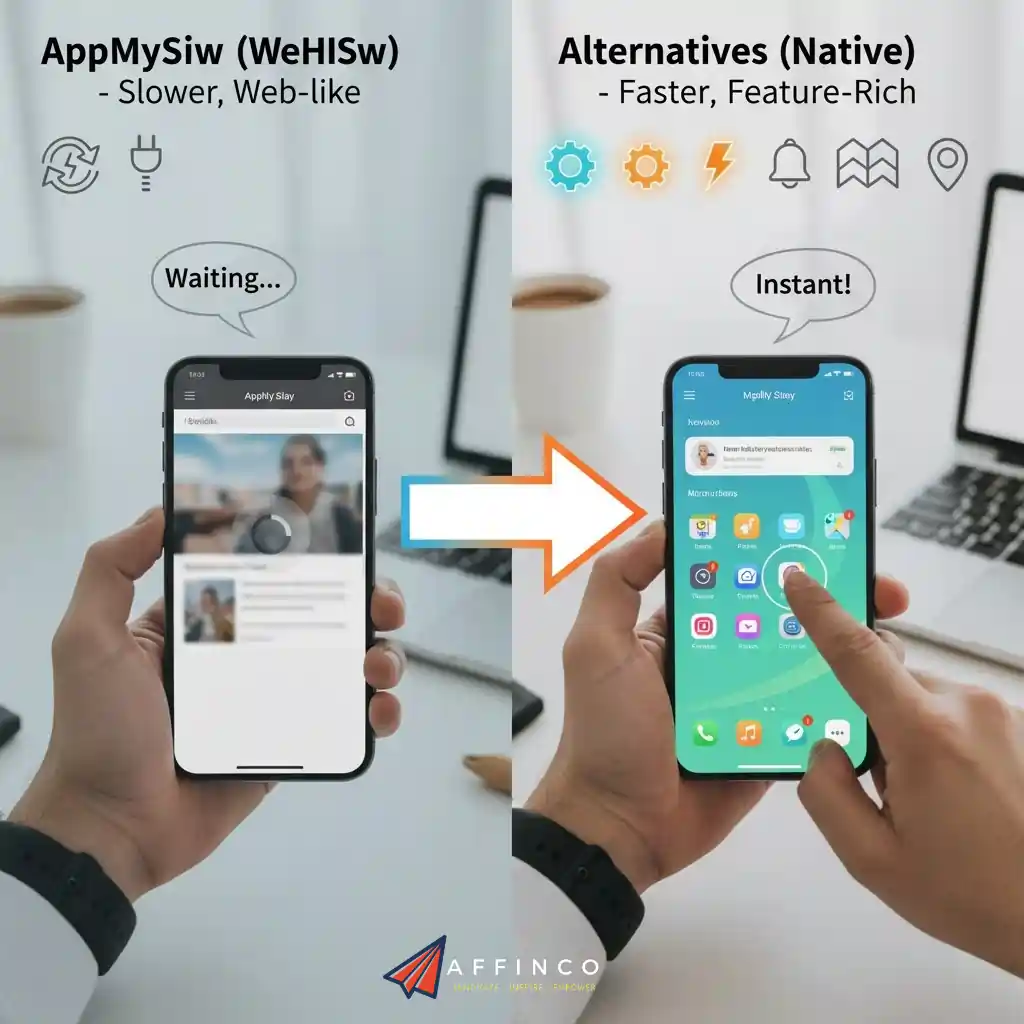
The primary difference between AppMySite and its alternatives is their development approach: webview versus native functionality.
WebView Performance (AppMySite's Method): This renders your mobile website inside an app shell.
Performance depends entirely on your site's speed, often resulting in slow load times and a non-native feel. While fast to launch, the user experience is limited to what a browser can do.
Native Functionality (The Alternative): Competitors build apps with native UI components for key functions. This delivers significantly better performance with instant navigation and fluid animations.
It also allows for deep integration of features like offline mode and advanced push notifications for a more professional experience.
Making Your AppMySite Alternative Decision Today
Choosing the right path for your app is crucial. While a basic website converter offers a quick start, its limitations in performance, native features, and user experience often lead businesses to seek better AppMySite alternatives. These advanced platforms provide the tools to build truly engaging mobile experiences that can support your growth.
Explore the solutions that align with your business goals to create an app that delivers both powerful functionality and a superior user journey, ensuring you can scale effectively.


Ali
Ali is a digital marketing expert with 7+ years of experience in SEO-optimized blogging. Skilled in reviewing SaaS tools, social media marketing, and email campaigns, we craft content that ranks well and engages audiences. Known for providing genuine information, Ali is a reliable source for businesses seeking to boost their online presence effectively.