
Dropshipping has grown from a side hustle model into a multi-billion-pound global industry. In 2026, the market is projected to hit $476.1 billion, a 58% jump from the previous year.
Millions of entrepreneurs now sell products online without ever touching inventory. For marketers, this means massive opportunity. But smart decisions need solid data.
This article packs up-to-date dropshipping statistics for 2026. From market size and profit margins to top niches and buyer behaviour, every number here helps you plan better, sell smarter, and scale faster.
🌏 Global Dropshipping Market Size in 2026
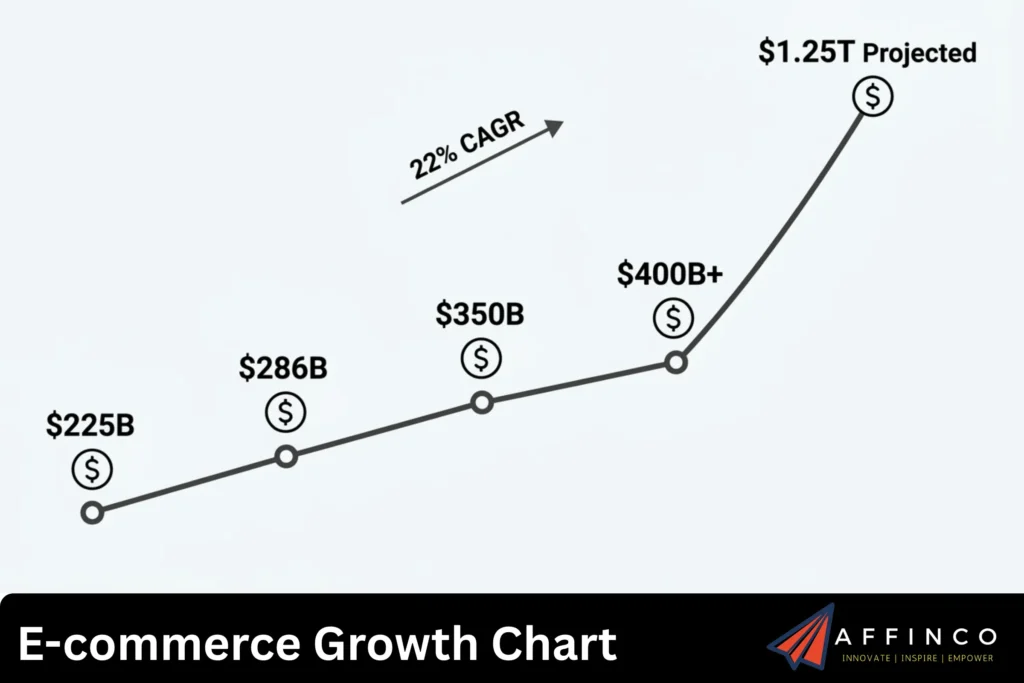
The global dropshipping market is on a steep growth curve. Multiple research firms project the market to cross $400 billion in 2026.
Here is a year-by-year breakdown of market growth:
| Year | Market Size (USD Billion) | Year-on-Year Growth |
|---|---|---|
| 2022 | $225.6 | 18.4% |
| 2023 | $286.4 | 26.9% |
| 2024 | $301.0 to $351.8 | 22.8% |
| 2025 | $330.8 to $418.2 | 21.3% |
| 2026 | $401.4 to $590.0 | 21.3% to 28.4% |
| 2030 | $1.25 trillion+ | 22% CAGR |
By 2035, estimates suggest the market could reach anywhere from $1.84 trillion to $3.3 trillion. That kind of long-term growth makes dropshipping one of the most attractive online business models in the world right now.
🛒How Big Is Dropshipping Compared to Ecommerce?
Dropshipping is not a niche side of ecommerce anymore. It accounts for roughly 23% of all online retail sales worldwide. Over 27% of online stores now use dropshipping as their primary fulfilment method.
Here is how dropshipping fits into the broader ecommerce picture for 2026:
On Shopify alone, dropshipping stores have grown from 5.16% to 12.82% of all stores on the platform. Close to 2.5 million ecommerce stores run on Shopify, and approximately 477,849 (19%) have dropshipping apps installed.
💰 Dropshipper Income and Profit Margin Stats
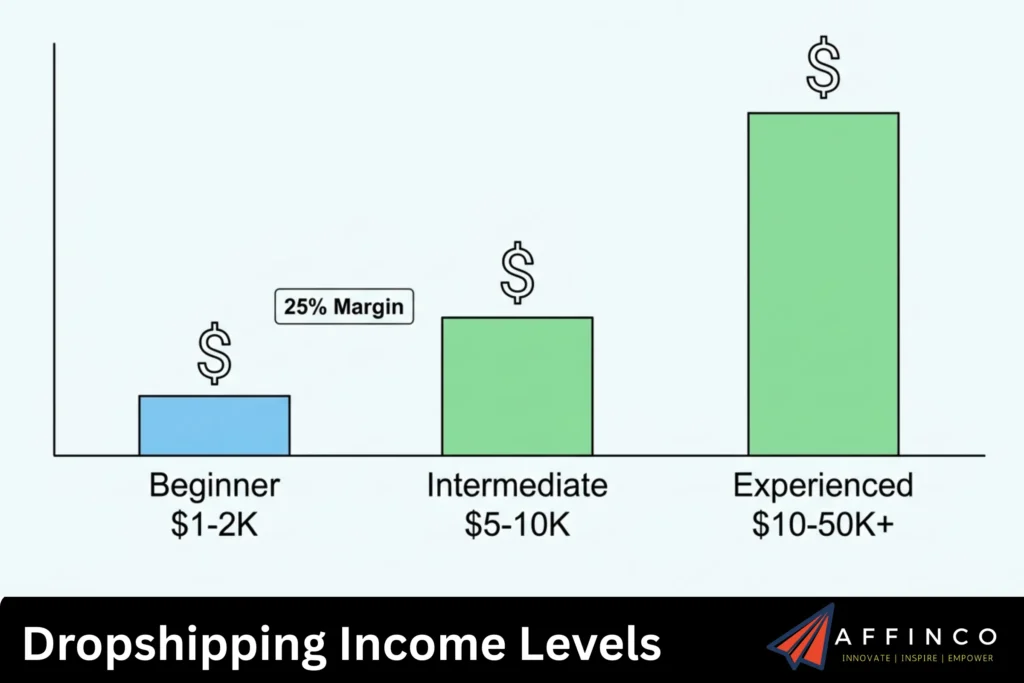
Let’s talk about money. How much do dropshippers actually earn?
Most dropshippers earn between $1,000 and $5,000 per month. But income varies widely based on niche, experience, and marketing spend.
| Experience Level | Monthly Earnings |
|---|---|
| Beginner | $1,000 to $2,000 |
| Intermediate | $5,000 to $10,000 |
| Experienced | $10,000 to $50,000+ |
A few more income stats that matter:
Manufacturers who work with dropshipping partners earn 18.33% more profit than those selling directly. On eBay, top dropshippers average $7,731 monthly, while the bottom 10% actually lose money due to fees and pricing problems.
💼 Startup Costs for a Dropshipping Business
One of the biggest draws of dropshipping is low entry cost. You do not need warehouses, stock, or heavy upfront capital.
Setting up a dropshipping store costs between $500 and $2,000 per year. That is up to 80x cheaper than a traditional ecommerce store.
Compare that to average ecommerce startup spending of around $40,000 in the first year. Product costs alone eat up 32% of that budget for traditional retailers.
On Amazon, 50% of dropshippers spent less than $2,500 to start selling. Another 17% spent $500 or less.
This low barrier to entry is exactly why dropshipping as a business model continues to attract Gen Z entrepreneurs and first-time sellers. About 38% of dropshippers are Gen Z, making them the largest demographic group in the space.
🛍️ Most Profitable Dropshipping Niches in 2026
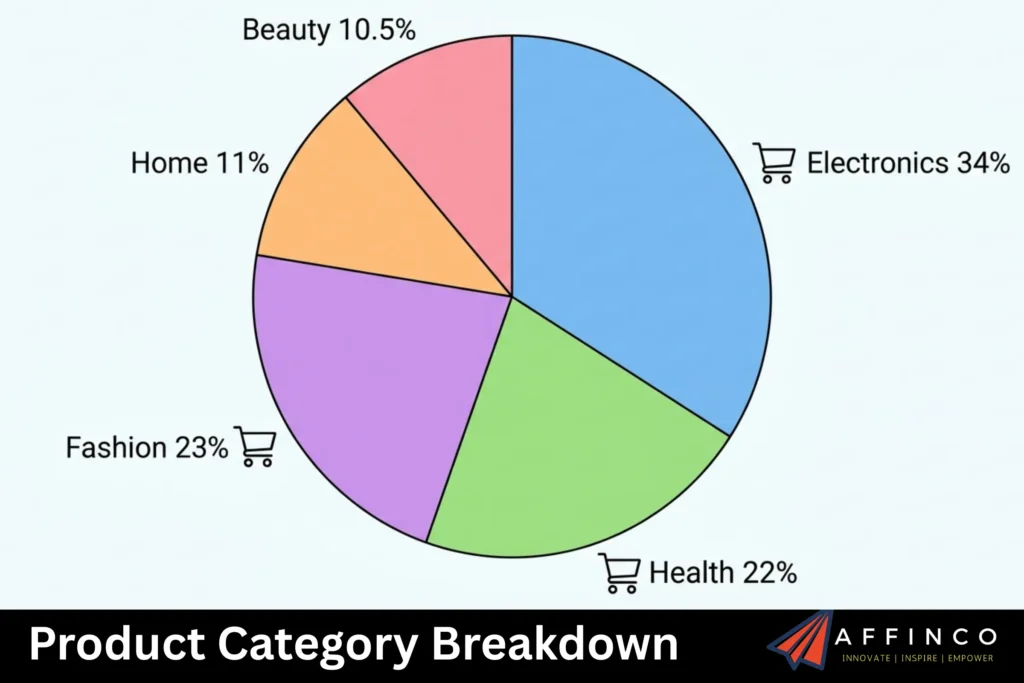
Niche selection can make or break a dropshipping store. Here are the top-performing categories based on market share and growth rates:
| Niche | Market Share / Value | Growth Trend |
|---|---|---|
| Electronics and Media | 34% market share | Steady, high demand |
| Fashion and Apparel | 23% market share, $802.33B projected | Growing fast |
| Health and Household | 22% YoY growth on Amazon | Strong upward |
| Beauty and Cosmetics | 10.5% traffic growth | Rising consumer interest |
| Home and Garden | 11% of dropshipping sales | Stable |
| Furniture (high-ticket) | $800B+ industry | Premium margins |
Fashion dropshipping leads as the most prominent niche, accounting for 26% of top-performing stores. Apparel accounted for the most dropshipping sales globally, followed by jewellery at 14% and home and garden at 11%.
In 2026, digital products are also a growing segment. Consumers spent over $135 billion on digital products in 2024. Online courses, ebooks, and SaaS tools represent a fresh frontier for digital dropshipping businesses.
🌍 Regional Breakdown of Dropshipping Growth
Dropshipping is a global phenomenon. But growth rates differ sharply by region.
India is another fast-rising market. India's ecommerce market is expected to surpass $200 billion by 2026, with 42% of new online sellers choosing dropshipping as their entry model. Cash-on-delivery still accounts for 65% to 70% of orders in India.
📈 Consumer Behaviour and Conversion Rate Stats
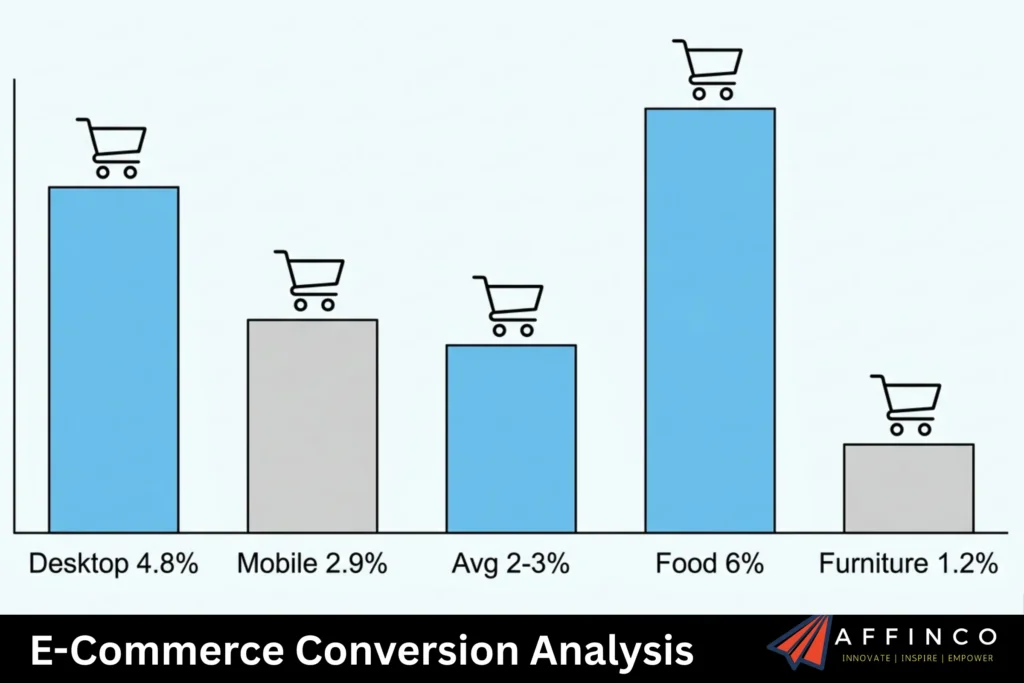
Understanding buyers is crucial for any dropshipping marketing strategy. Here is what the data tells us about online shoppers in 2026:
Free shipping remains the number one buying incentive, even over discounts. Baby boomers are the most price-conscious buyers, with 80% considering pricing first.
Meanwhile, 70% of buyers say reviews and store design influence trust when shopping from unfamiliar brands.
Consumers now expect a click-to-delivery speed of 2.5 days on average. In 2019, that expectation was 5.7 days. By 2029, it will drop to 1.5 days. This puts real pressure on dropshippers to work with faster suppliers and local warehouses.
📱 Mobile Commerce Is Driving Dropshipping Sales
Mobile is now the dominant shopping channel. Ignoring it means losing more than half of all potential sales.
Millennials lead mobile usage, with 74% using smartphones for online shopping at least 50% of the time. Gen Z follows at 68%. Even Gen X is at 60%.
For any dropshipping store owner, mobile optimisation is not a nice-to-have. It is a must.
📢 Marketing Stats Every Dropshipper Needs
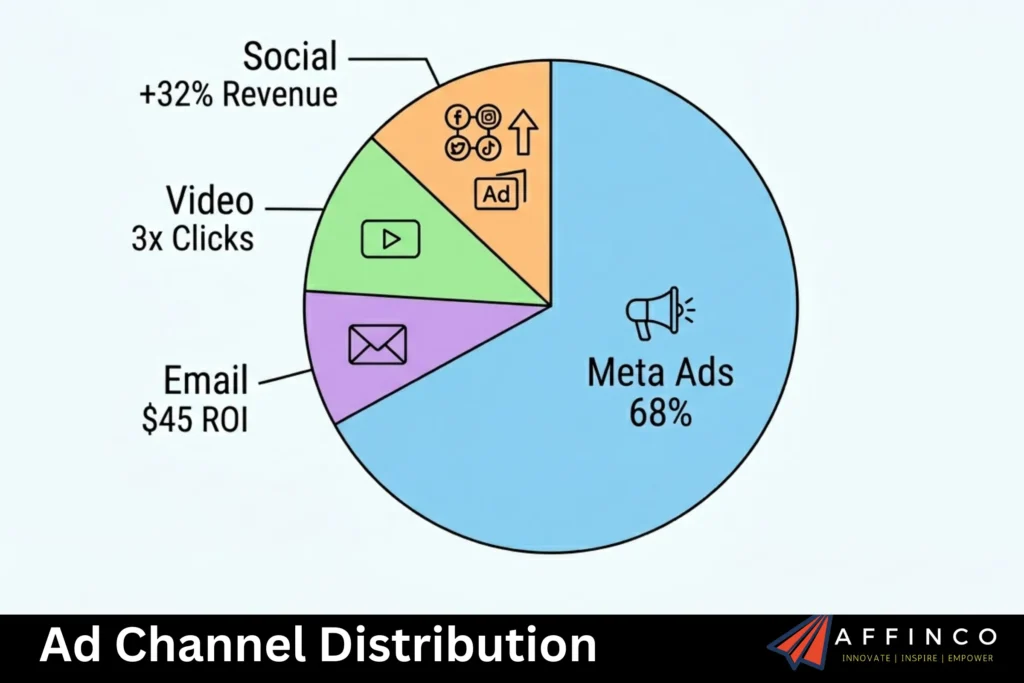
Marketing spend and strategy directly impact dropshipping success. Here is where the money goes and what works best:
Email marketing for dropshipping delivers up to $45 return for every $1 spent. Automated emails like abandoned cart and welcome messages outperform manual campaigns. Half of consumers who clicked on an automated welcome or abandoned cart email made a purchase.
Short-form video is also booming. There was 4x growth in ecommerce brands using short-form video in 2024. Short-form videos deliver 2.5x more engagement than long-form content. Platforms like TikTok, Instagram Reels, and YouTube Shorts are now essential for dropshipping product promotion.
User-generated content also deserves attention. UGC boosts conversions by 29%, and 92% of consumers prefer its authenticity over traditional ads.
⚙️ AI and Automation Are Changing Dropshipping
Technology adoption separates profitable stores from struggling ones. In 2026, automation and AI tools are no longer optional.
Dropshipping software is now worth $2.5 billion and growing at 15% annually. Tools like DSers, Spocket, and CJDropshipping are making it easier for new sellers to automate operations.
DSers manages over 220 million orders, saving dropshippers 97% of ordering time. Spocket is used by over 500,000 dropshippers and offers access to suppliers in the US and Europe.
🚚 Shipping, Returns, and Fulfilment Challenges
Shipping is where many dropshipping businesses struggle. Buyers expect fast delivery, but most dropshippers still operate on 15 to 20-day timelines.
Key fulfilment stats:
Fraudulent returns made up 15% of all retail returns in the US, costing online sellers over $103 billion. Chargebacks cost dropshippers and other online sellers over $54 billion in 2024, an 18% year-on-year increase.
Biggest Challenges Dropshippers Face in 2026
Success in dropshipping is far from guaranteed. Here are the obstacles most sellers report:
Most dropshippers test 4 to 6 suppliers before choosing a long-term partner. Working with multiple suppliers helps manage stock issues and price fluctuations.
Compared to other Amazon sellers, 56% of dropshippers take longer than 6 weeks to get up and running. And 25% spend over 40 hours a week on store operations.
📱 Social Commerce and Dropshipping in 2026
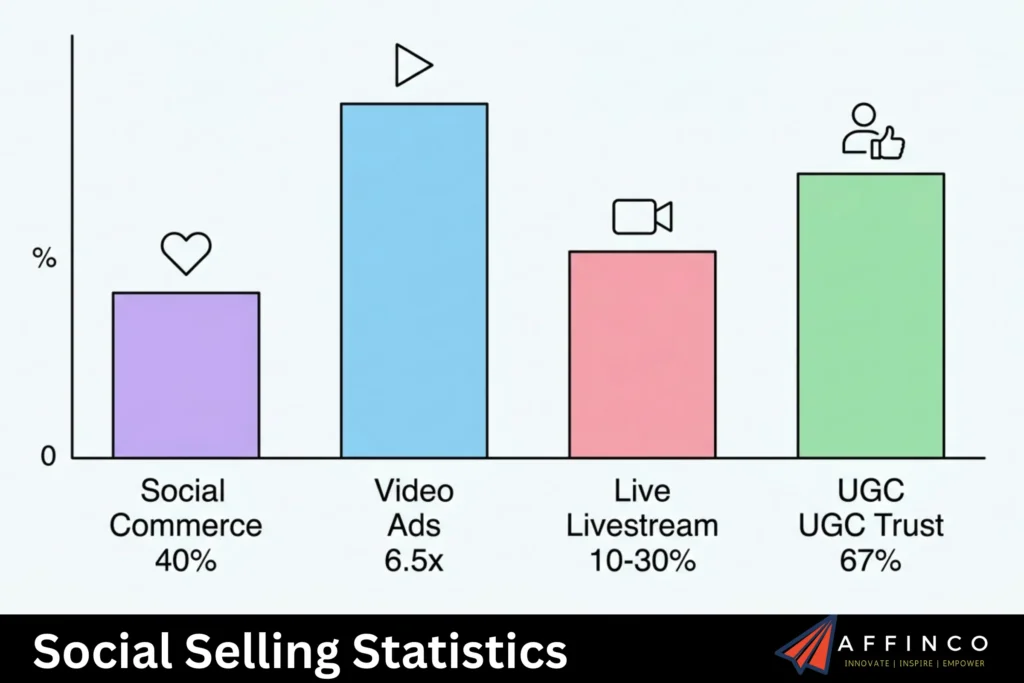
Social commerce is merging with dropshipping at a rapid pace. In 2026, social commerce is expected to contribute up to 40% of online retail sales.
For any dropshipper looking to grow in 2026, content sells products. A seller with viral reels, influencer partnerships, and UGC reviews will outperform stores relying solely on paid ads.
🚀 Top Dropshipping Platforms and Tools
Choosing the right platform matters for growth. Here is a snapshot of the biggest players:
| Platform | Key Stat |
|---|---|
| Shopify | 2.5 million live stores, 19% use dropshipping apps |
| Amazon | 200 million+ unique monthly visitors, 19% of sellers dropship |
| DSers | 4.5 million+ dropshippers, 220 million orders managed |
| Spocket | 500,000+ dropshippers, 100 million product catalogue |
| CJDropshipping | 1.7 million products, 99.9% customer satisfaction |
DSers is the most popular dropshipping app on Shopify, holding 25% of all installs. Email marketing and advertising apps are installed by 79% of top US Shopify stores, with Klaviyo leading at 61%.

👨🏻💼 What These Stats Mean for Marketers
Every number in this article points to a clear opportunity. The dropshipping industry is growing at over 20% annually and is on track to surpass $1 trillion before 2030.
For marketers, the takeaway is simple. Low startup costs, strong margins, and massive consumer demand make dropshipping one of the most accessible ecommerce business models in 2026.
But success demands smart niche selection, reliable suppliers, mobile-first design, and a content-driven marketing strategy. The data backs it. Now it is your move.

Ali
Ali is a digital marketing expert with 7+ years of experience in SEO-optimized blogging. Skilled in reviewing SaaS tools, social media marketing, and email campaigns, we craft content that ranks well and engages audiences. Known for providing genuine information, Ali is a reliable source for businesses seeking to boost their online presence effectively.